- customerservices@rawzalogistics.com
- Global Expertise with A Focus on Reliability & Efficiency!

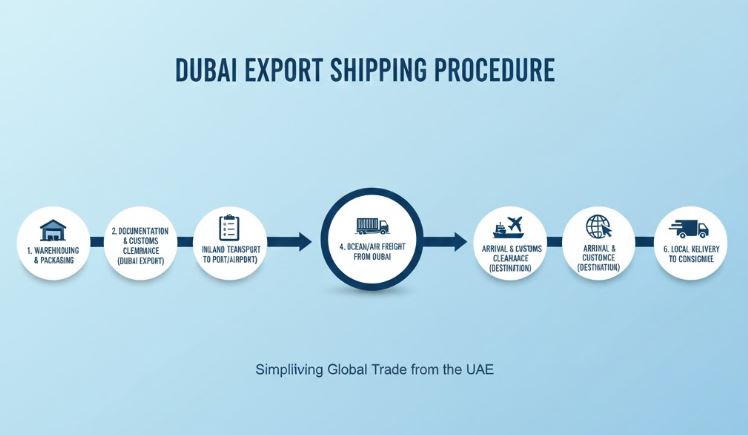
Dubai is the best shipping partner for businesses and individuals, where every parcel tells a story of innovation. The country is the hub for shipping purposes due to its strategic location, which provides access to global markets. The free economic zones are favorable for shipping for having tax exemptions and tax-free shipping of goods. Knowing the available shipping options is necessary to exchange business orders or personal items successfully. Dubai offers multiple options for objects consigning. The ports with modern infrastructure, international airports, and well-developed roads are gateways for global trading. Despite all this versatility, choosing the correct shipping method that fits personal needs and resources is essential. This guide covers both primary shipping ways, air freight shipping, and truck booking. We will provide comprehensive knowledge about both ways to guide the reader to the best decision.
Truck Booking Procedure from Dubai
- Initial Inquiry
Truck booking involves initial inquiries about factors affecting the cost and frequency of orders, such as pricing, cargo size, or logistic requirements. To ensure hassle-free trucking, contact various service providers, ranging from small vans to large trucks. Contact with more than one option offers versatile quotes to choose from according to personal requirements. Contact the transfer companies and provide them with details about the type of cargo, commercial or domestic. Weight, dimensions, and destination are essential to determine the applicable taxes and documents. Consider the road maps and route length to choose the appropriate road for fast delivery, and check the driving licence with the driver’s experience for safe delivery.
- Quotation and Agreement
A quotation provides transparent details about cargo costs and prevents surprise payment for both parties. Hence, get variable quotations from different truck services and compare them to finalize the appropriate one. Quotations further lead to a mutual agreement between both parties. It explains legal conditions and liabilities for a smooth delivery. Set payment methods and schedules to finalise the deal. Negotiate the objectionable terms to fix them upon mutual conditions. The advance settlement before cargo booking builds trust between shippers and service providers, preventing future conflict.
- Documentation
Proper documentation is also necessary for Dubai trucking because of its legal importance and record-maintaining reasons. This step is also helpful in measuring the performance metrics of truck services. Shippers need to take the booking form to explain the booking details. Cargo details, identification documents, export permits for international trading, and packing lists to describe the goods’ details are essential for successful truck bookings. Special licenses and insurance claims for hazardous and sensitive objects are also required in specific bookings. A shipper should prepare all these documents in advance to ensure compliance with trading regulations.
- Booking Confirmation
Before confirmation, it is essential to recheck all the information provided and ensure that both parties are satisfied with the terms and policies mentioned. Checking terms enhances proficiency and reduces the chances of making mistakes. A shipper or service provider can confirm the delivery dates and address and mention special handling instructions on the booking form. After checking all information and documents, confirm the truck booking via email, phone, or the truck services website. Receive the confirmation code or reference number for your booked consignment and follow up on the booking status on a relevant service provider platform.
- Cargo Preparation
Pack the cargo box cautiously with durable packaging material and consider the weather conditions of the destination country to place the objects accordingly. Mention clearly and visibly the destination country and drop-out address. Label the precautionary measures to handle any sensitive material within the package. Ensure that all packed material complies with Dubai booking regulations and arrival country. Illegal cargo objects can disturb customs clearance or result in a penalty for disobeying the rules. Mention the exact weight and dimension of objects in cargo to conduct the transport charges and other financial concerns.
- Pickup and loading
Discuss the pickup schedule with the truck company and set the loading time according to your free time. Set a time when the shipper is present to monitor the loading process. Confirm that the consignment is packed tightly and labelled with descriptive information. Inspect the cargo truck before loading to ensure a clean and auspicious transport. Confirm that all items are handled with security and loaded safely.
- Transportation
Before loading, confirm safe transportation by assessing the driver’s license and the presentive condition of the shipping truck. Transport monitoring is essential in truck booking to guarantee a smooth delivery process. Evaluate the service provider’s tracking options through a tracking app or website. Receive the booking tracking number to check the information about the booking. Maintain communication with the trucking company to stay updated on the cargo status. Some truck companies offer GPS tracking options to check the real-time location of trucks. If online resources are limited, call the truck company or visit their nearby office for further information.
- Delivery
Confirm the stopovers of trucks from service providers and estimate the delivery duration for further follow-up. Confirm the delivery at the final destination after completion of the described duration. Monitor the off-loading process and check cargo for any damage. Ensure the maintenance of packing and confirm any missed items. Follow the required procedure in case of any delay because road travel can be affected by traffic or extreme weather. Therefore, flexible changes in the programme should be made to tackle schedule changes. Keep engaged with the truck company to resolve any issues that arise promptly.
Air Freight Shipping Procedure from Dubai
- Initial Inquiry
Each destination has its own regulations and custom restrictions. The initial inquiry is essential to understanding these implementations, such as researching prohibited and allowed goods. Confirmation of applied tax according to goods type and weight and inquiry about specific shipping documentation is mandatory. Check the limitations of goods’ weight and dimensions for air cargo. Estimating an expected cost helps meet financial needs efficiently. All this advanced knowledge helps comply with freight logistics, further preventing delayed deliveries and clearance problems.
- Quotation and Agreement
This step is vital in shipment because the shipper and freight forward negotiate terms and policies. An advanced agreement ensures a smooth delivery without shipment conflicts between both parties. According to the described packing list and insurance charges for valuable objects, a quotation covers shipment charges, including packing and tax expenses. The service providers mention transit time on this quotation to inform the shipper about the exact duration of delivery. After knowing all the facts, the consignment is booked when the shipper confirms his consent. The agreement also confirms service terms, such as the responsibilities of freight forwarders and customs.
- Documentation
Preparation of required documents facilitates customs clearance in air freight shipping. A shipper can trace his booking through maintained records, which avoids penalties and reduces delivery delays. The booking invoice details describe the sender and receiver information, and the airway bill is the initial document for air bookings from Dubai. A packing list is also required to check the cargo details describing the packed goods’ weight and dimensions. An insurance certificate is applicable for certain valuable bookings. Check the additional regulatory documents to ensure complete compliance with international regulations in air freight bookings.
- Booking Confirmation
Booking confirmation is necessary after all documents and permits are confirmed. Get the airway bill, which is the receipt of the cargo. Confirm your booking after receiving the reference and tracking numbers to check the shipment status. Get all the flight details of cargo airlines, including their takeoff and arrival dates. Contact the freight forwarder to inquire about flight arrival or resolve any issue with customs clearance.
- Cargo Preparation
Follow the specific guidelines to ensure safe and excellent delivery in air freight shipments. These guidelines are safety measurements and protect the cargo package from potential damage. The most critical step in preparation is safe packing and adjustment of goods to prevent breakage loss. Hence, pack the cargo securely with flexible plastic wrap or safety insulation. Place sensitive or mirror objects in wooden crates or cupboard boxes to bear the air pressure and weight of other booked packages. Mention the handling instructions for hazardous objects and follow IATA regulations to ensure safe delivery. Mention the weight and dimensions of cargo packages to guarantee the booking of required space. The labelled information guides the shipper in paying the applicable cost for the booking.
- Pickup and Transport to Airport
Contact a reputed freight forwarder by considering their previous history of satisfied clients. Set an appropriate pickup time in your presence to monitor the loading option. Provide detailed information about consignment weight and dimensions so that the transfer vehicle can be chosen accordingly. Describe your pin location to help the freight forwarder navigate the road. Safely load the cargo and explain the handing instructions to the driver for safe delivery. Stay in contact with the freight forwarder to update them about the location. Ensure your package is delivered at the airport on time to clear customs formalities before the flight schedule.
- Customs Clearance
Several steps are involved in this formality, which is essential to compliance with customs regulations and authorities. Prepare all necessary documents in advance to submit during customs clearance, such as import/export licenses, invoices, and insurance documents. Custom officers inspect the cargo items and receive applicable charges, which can be submitted manually or electronically on official websites. Ensure that all packed items and their weight comply with the mentioned custom regulations. After completing the whole process, get the customs clearance certificate from airport authorities. Maintain this certificate and copies of all other documents to submit on shipment clearance.
- Air Transport
After successful submission, the cargo continues to transit by scheduled flights to the destination airport. Contact air transport authorities to monitor the flight route and status. The delivery duration depends on the flight’s path and stopover for the final destination. Contact the freight forwarder to learn the tracking platforms to monitor the flight route. During this interval, maintain transparent communication with authorities to resolve any issues that arise upon flight arrival.
- Delivery
This last step is completed when the cargo flight arrives in the destination country. The service providers confirm this delivery by email or phone to inform the recipient. The shipment again passes through customs formalities and document checking. After verification, the cargo is finally handed over to the recipient by phone, or transport services deliver it to the mentioned address. Upon reaching, scrutinize the whole cargo to monitor any damage or discrepancies. Load off the cargo while you are monitoring it, and follow the safety instructions for a safe delivery.
Comparison of Truck Booking and Air Freight Shipping
Cost considerations: Turk booking is budget-friendly compared to air freight shipment. Air freight shipping involves fuel surcharges and higher customs charges. Moreover, the shipper has to pay a higher cost in air freight for sensitive items.
Time efficiency: Air freight is fast and time-saving, and shipment orders are delivered within hours or one day. Therefore, it is favourable for urgent delivery of medical objects or perishable things. Conversely, land transfer takes a long time to deliver, depending on route length. Regional deliveries can provide fast and offer the flexibility of door-to-door order supply in truck booking.
Suitability for different types of cargo: Despite cost and time factors, some cargo types are suitable for truck booking, while others are for air freight shipment. Medical supplies, perishable items, and fragile goods are best delivered through air bookings. On the other hand, bulk shipments, dangerous items, dry goods, and those who don’t need extra handling care are best delivered in road cargo.
The advantages and disadvantages of each method: Air freight is expensive and requires extra documents and customs formalities, but it’s faster and more efficient than road cargo. Conversely, truck loading is slow and reliable, with fewer expenses. A shipper can book a truck with simple identity documents.
Best Practices for Shipping from Dubai
Shipping from Dubai can become a hassle-free process by following some beneficial practices. Customers should choose the correct shipping method considering the type of goods and resources. Compare more than one service option of the selected delivery type and choose the most reliable shipping partners. Check their previous record and available resources to satisfy the client. Prepare all required documents in a timely to meet customs and regulations requirements. Maintain transparent communication with the freight forwarder throughout the shipping process and locate the location to check the booking status.
Final Analysis
Dubai offers multiple ways of delivering business consignments and domestic goods to international markets. Truck booking and air freight shipment are the most common ways to use for shipping purposes. Maintain the legal formalities regardless of the type of delivery method. Compliance with local regulations is essential for each kind; therefore, the guidelines must be followed to maintain transparency and efficiency.