

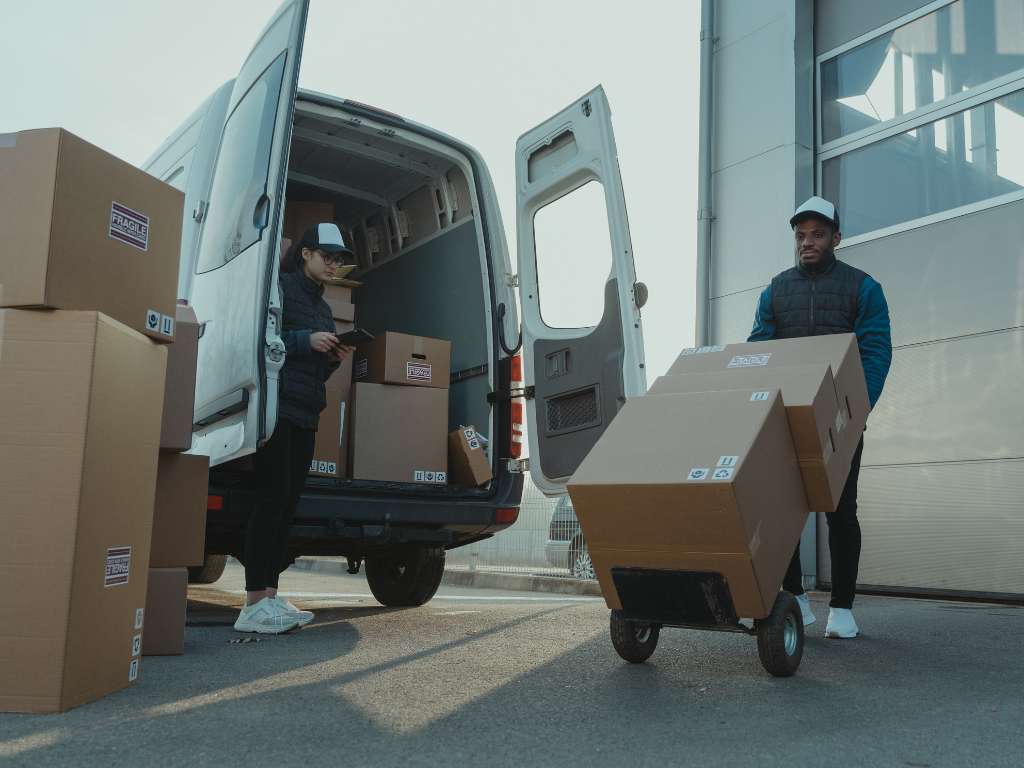
Top 10 Products Most Shipped to Dubai
Dubai’s population is more than 88% expatriate, drawn from two hundred nationalities. That mix shapes what moves through the city’s ports every day. A single container load can carry Korean skincare, Pakistani cotton textiles, and European machinery. The cargo from Dubai ports heads to different corners of the world’s markets. For a successful transit, shippers should understand which categories dominate import volume. They also need to know which government body must sign off on each before it clears Dubai Customs. It helps them avoid the registration delays that catch first-time importers by surprise.
Each product category carries different regulatory requirements and shipping duties. It is important to understand each type in detail and its legal requirements to avoid delays and hurdles. Cosmetics route through Dubai Municipality’s Montaji system. Electronics need conformity certification from the Ministry of Industry and Advanced Technology. Similarly, the food carries its own inspection and labelling checks. Shippers should know which path applies before cargo ships, not after it lands. This helps prevent all the categories from getting stuck in a bond warehouse.
1. Electronics & Smartphones
Every month, smartphones from all premium companies Apple, Samsung, and Xiaomi move in high volume through Dubai. Besides these, other devices like laptops, tablets, gaming consoles, and wearables are also imported in bulk. This flow is driven by a tech-forward population and a re-export trade that sends devices onward to all major continents. Electronics falls under the Ministry of Industry and Advanced Technology, formerly known as ESMA. They typically require an Emirates Conformity Assessment Scheme certificate before customs clearance. Devices with cellular or wireless connectivity may also need separate type approval from the UAE’s telecom regulator. Most shippers occasionally miss this step when they treat electronics as a single, uniform category.
2. Fashion & Apparel
Dubai is a hub of fashion, and females here are fond of luxury dresses imported from all around the world. The city is also a major importer of luxury and designer goods due to its affluent population. The city has a consumer base that equally demands international brands and streetwear trends. You find everything from lower- to elite-class all side by side in the same shopping mall. Unlike cosmetics and food, apparel does not require product registration. However, their shipments still need accurate HS code classification. It’s because duty rates and any textile-specific restrictions are tied to fabric composition and garment type rather than brand name.
3. Perfumes & Oud
Arabic fragrances are among the most demanded. Especially those centred on oud and bakhoor are the best choices for users. French luxury perfumes and niche imports also reflect a gifting culture where fragrance carries social weight beyond personal use. The shippers have to register their perfumery products through the same Montaji system. They also require Arabic-language labelling that exactly matches the approved registration. Shippers bringing in fragrance for the first time should confirm registration status before the shipment leaves origin. It is important to note that Dubai customs will not release unregistered stock.
4. Beauty & Skincare Products
Dubai also ships a huge volume of Korean skincare, European beauty products, and haircare and makeup essentials every month. This trend is especially amplified by social media exposure and a consumer base with high spending power on premium personal care. Skin care and beauty products also register through Montaji. Shippers also need to submit ingredient lists in INCI format. The country still restricts certain ingredients, including mercury and high concentrations of hydroquinone. So, formulations should be checked against UAE rules before the first shipment is booked.
5. Food & Beverages
Dubai’s total import volume includes a high share of rice varieties, including basmati and jasmine. They also import halal meat and poultry, as well as fresh produce. The UAE has limited arable land and water resources. That’s why it has to source most of its food supply from outside the country. That dependency keeps demand for imported staples consistently rising. Dubai Municipality’s Food Import and Re-export System checks labelling and shelf life. They also verify any nutrition or health claims on packaging, as well as a Hala certificate, especially for meat. Goods prone to temperature require cold chain documentation demonstrating the product remained within range throughout transit.
6. Home Appliances & Smart Devices
Imports of smart home devices and kitchen appliances are growing alongside automated home construction in the city. Demand for modern cameras, connected bulbs, and advanced doorbells reflects rising adoption of AI-integrated homes. The expat household requirements are changing, becoming more luxury-oriented. These products fall under the same conformity certification requirements as consumer electronics. Smart devices that transmit over Wi-Fi or Bluetooth may need telecom-type approval in addition to standard product certification. This is because they combine rules for appliances and radio-frequency devices.
7. Construction Materials
Emirates is almost at the top in the world when it comes to luxury construction. That’s why imports of raw materials like cement, gypsum, and sandstone are very high. Similarly, steel and aluminium products support the emirate’s continuing pace of infrastructure and real estate development. Bulk construction cargo usually ships as breakbulk or full container loads rather than as consolidated shipments. Their pricing depends heavily on vessel space during peak construction seasons. Certain building materials also fall under technical regulations covering fire safety and structural standards. That’s why importers should confirm before placing large orders.
8. Baby Products
A steady volume of baby accessories, including clothing, organic food and formula, and strollers, carriers, and toys, moves through Dubai every month. A large expat family population and consistent demand for trusted international brands drive the demand. Baby food and formula are regulated as food products through Dubai Municipality. Baby toys must meet safety standards covering choking hazards and material safety. They are often referenced against ISO 8124. It is important to know that baby carriers and car seats bring their own structural safety requirements. That’s why shippers should confirm certification status by subcategory. Just assuming a single approval covers the entire product line can cost you more than the product itself.
9. Health & Fitness Products
The demand for health supplements and fitness equipment is rapidly growing in Dubai. The culture of wellness has become a larger part of residents’ daily lives. A wider Gulf market Dubai re-exports to heavily depends on the products Dubai imports. Local authorities keep the supplements in a regulatory grey zone between food and medicine. The Ministry of Health and Prevention reviews dosage and active ingredients. They also review health claims made on packaging. They impose stricter oversight on products marketed with therapeutic claims. That’s why label wording is as important as ingredient safety.
10. Handicrafts & Textiles
Dubai continues to import bed sheets, cotton fabrics, and towels in bulk. Similarly, artisanal handicrafts and cultural imports, with Pakistani textiles in particular holding a strong position in the market for both retail and bulk trade. Textiles generally move without product registration, but shippers claiming a preferential duty rate under a UAE trade agreement need a certificate of origin that specifically references the applicable agreement. Without it, customs applies the standard duty rate regardless of where the goods were actually manufactured.
Final Analysis
The categories above cover a wide range of consumer demand, but they split into two practical groups for anyone shipping into Dubai. One is products that clear on standard customs documentation alone, and the second one is products that need registration with a specific regulatory body before they ever reach the port. Knowing which group a shipment falls into before booking freight is what separates a smooth import from one that sits in storage accumulating fees. Businesses shipping any of these categories into Dubai can work with a shipping company that already understands where each product type needs to be registered and what documentation customs will require. Partner with Rawza Logistics for reliable shipping solutions into Dubai, from freight booking through customs clearance.
FAQs
Which products are most in demand in Dubai imports?
The most imported products include perfumes, beauty products, and food. Along with these, the city also has high demand for luxury apparel worldwide, driven by Dubai’s expat population. The city is considered a regional retail hub. That’s why customers find every type of product here, even those they can’t find anywhere else.
Do shipping companies in Dubai handle electronics safely?
Established shipping companies package and handle electronics according to the cargo’s fragility and value, and coordinate the conformity certification that electronics require from the Ministry of Industry and Advanced Technology before customs release.
How is food imported and stored in Dubai?
Food shipments clear through the Food Import and Re-export System, with meat and poultry requiring halal certification and perishable goods requiring cold chain documentation. Storage typically happens in temperature-controlled facilities near the ports.
Can construction materials be shipped in bulk to Dubai?
Yes, construction materials commonly ship as breakbulk or full-container-load cargo. Certain materials also fall under technical regulations covering fire safety and structural standards that should be confirmed before ordering.
Is cargo tracking available for consumer goods shipments?
Most established shipping companies offer tracking for consumer goods shipments, giving importers visibility into transit status from origin through customs clearance and final delivery.
Related posts
Major Logistics Corridors in Dubai
Jebel Ali Port to Al Maktoum International Airport corridor This 200-square-kilo

High demand of cold chain logistics in dubai
High demand of cold chain logistics in dubai Cold chain logistics has become a
How to Manage Logistics Operations in Dubai?
How to Manage Logistics Operations in Dubai? Dubai is a crossroad or bridging ci
Leave a Reply