- customerservices@rawzalogistics.com
- Global Expertise with A Focus on Reliability & Efficiency!


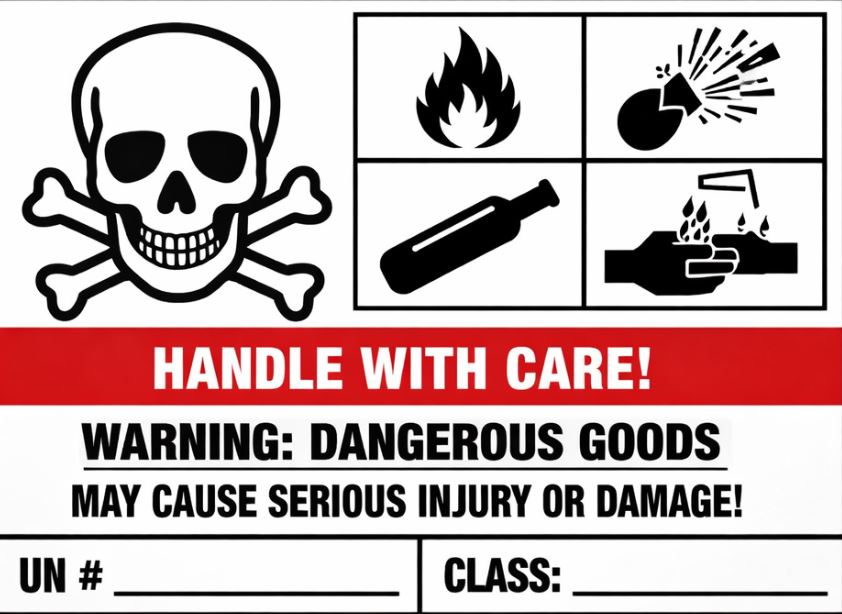
What is hazardous material handling?
The safe management of hazardous materials has emerged as a key challenge to organizations’ around the world in the fast changing industrial and logistical environment. In fact, hazardous materials exist in many different forms, everywhere; in manufacturing plants and warehouses, in transportation systems and distribution centers, and so on-unless treated properly, they may easily be extremely dangerous to the wellbeing of people, their property, and the ecology. In the case of a logistics company such as Rawza Logistics, it is a matter of regulation and compliance, but also a promise of safety, efficiency and sustainability to handle hazardous materials in a proper way.
Understanding Hazardous Materials
Hazardous materials – also known as hazmat – are materials’ that can be harmful in terms of their chemical, physical or biological characteristics. Such materials may be flammable, toxic, corrosive, reactive or radioactive. Examples are chemicals, fuels, industrial waste, compressed gases, some medical or pharmaceutical products.
The reason that these materials’ are of particular significance that has to be carefully handled is their ability to cause accidents like fires, explosions, containment or health hazards when stored, transported and disposed of inappropriately. Even a minor lapses of safety procedures may have tremendous repercussions such as environmental containment, fines and even loss of human lives.
What is Hazardous Material Handling?
Hazardous material handling is the task, protocol and tradition involved in safe storage, transportation, utilization and disposal of hazardous contents. It is inclusive of an extensive variety of activities, such as packaging, labeling, documentation, risk assessment, and emergency response planning.
Fundamentally, hazardous material handling is an aspect that concerns risk reduction. This includes detecting the potential hazards, using suitable control measures and proper training and equipping of all the involved personnel in the management of such materials safely.
Key components hazardous material handling
Many important elements interact to deliver safety and compliance in hazard material handling:
- Identification and classification
Prior handling any material – it is vital to properly recognize and categorize it based on the type of hazard. Materials are normally categorized based on their properties like flammability, toxicity or corrosiveness. Proper classification will help provide better handling, storing and transportation procedures.
- Proper packaging and labeling
Hazardous materials’ need to be kept and transported in containers that are distinctly constructed to resist their nature. The packaging ought to be strong, non-leakage and recommended material-wise. There should also be clear labeling to know the nature of the hazard so that anybody handling the material knows the risks involved.
- Safe storage practices
Conditions of storage are very important in avoiding accidents. The storage of hazardous materials should be in well ventilated, safe, and safety standards complying areas. Incompatible substances should be kept apart in order to prevent hazardous reactions and storage conditions should also be observed closely to prevent leaks or damage.
- Transportation safety
The transportation of hazardous materials inhibits the use of safety regulations. This involves the use of approved vehicles, proper securing of loads and proper documentation. Drivers and logistics should be taught how to deal with such events as spills or leakages during transit.
- Use of Personal Protective Equipment (PPE)
Employees’ dealing with hazardous substances are required to wear suitable personal protective gear including gloves, goggles, masks or protective attire. PPE serves as the initial barrier to exposures and contributes to the minimization of the possibility of injury or disease.
- Training and awareness
Training of all the personnel is one of the most critical areas of handling hazardous materials. The employees must be aware of risks of materials’ that they work with, how to use the safety equipment and emergency procedures.
- Emergency preparedness and response
Even with all precautions – accidents may still take place. Companies need to ensure that they have emergency response plans that state how to respond in case of incidents like spills, fire outbreak or when exposed. Immediate and prompt action would help a great deal to minimize the consequences of such incident
Importance of Hazardous Material Handling in Logistics
To logistics companies – handling of hazardous materials is especially important as it entails the transportation of potentially hazardous products to various destinations. However, not getting handled properly during transportation might cause accidents not only in the company but also in the public areas which might impact communities and nature.
Logistics providers may:
- Make sure that it is in accordance with global and domestic rules
- Safeguard employees, customers and the community
- Prevent environmental contamination
- Maintain operational efficiency
- Cultivate clients and obtain trust and credibility.
Safe handling plays a role in all supply chain processes at Rawza Logistics whereby hazardous materials are handled in a responsible manner, between source and destination.
Best practices of safe hazardous material handling
To ensure high standard of safety, the following best practices should be adhered to in the organizations:
- Always read and comprehend safety data sheets (SDS) of every material.
- Use proper containers and do not over fill.
- Check materials carefully to determine damages or leakages.
- maintain cleanliness in places of work and ensure that there is no contamination.
- Make certain that storage areas and handling areas are well ventilated.
- Dispose of hazardous waste according to the guidelines
- Immediately report and respond to spills or leaks’
These activities not only minimize risks’ but also inculcate a safety culture in the organization.
Regulatory compliance and standard
The management of hazardous materials is regulated by stringent laws that differ by industry and nation. These rules standards for classification, labeling, packaging, transport and disposal. The rules are required and regularly audited and inspected.
Organizations should be constantly informed of the new regulatory requirements and make sure that their processes comply with the existing standards. Lapse of compliance may lead to humiliating punishments, lawsuits and publicity.
The role of technology in hazardous material handling
The use of modern technology is becoming more significant towards better handling of hazardous materials. Modern tracking systems, automated warehousing systems, and electronic documentation can be used to achieve accuracy and efficiency and to improve safety.
Indicatively, during transportation, real-time monitoring systems could be used to identify temperature variations or leaks which could lead to corrective measures being taken immediately. Equally, electronic documentation promotes enhancing reverse tracking and adherence to rules.
Conclusion
Handling of hazardous materials is an essential element of logistics and industrial activities. It includes a holistic analysis of the handling of materials which may be potentially hazardous such that they are properly handled at all levels- storage and transportation, use and disposal.
In the case of rawza logistics – proper and effective handling of hazardous materials is part of our operational excellence, compliance with regulatory requirements as well as environmental responsibility. Through the best practices, training, and the use of advanced technologies – we aim to provide logistics solutions that are eligible and strive to maintain the utmost standards of safety.
With the ever growing and development of industries – the contribution of correct handling of hazardous materials will continue to grow. Those organizations that are taking positive steps nowadays will not just protect their operations but they will help in creating a safer and a more sustainable future.